
导演:
主演:
上映:
未知
集数:
已完结
剧情:
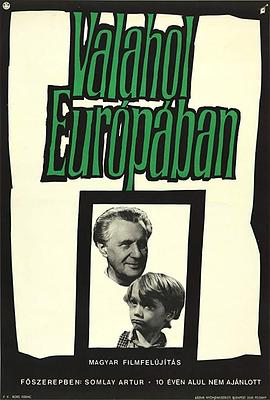
Somewhere in the remote region, the war ends. In the midst of ruined cities and houses in the streets, in rural hamlets, everywhere where people still live, are children who have lost their homes and parents. Abandoned, hungry, and in rags, defenseless and humiliated, they wander through the world. Hunger drives them. Little streams of orphans merge into a river which rushes forward and submerges everything in its path. The children do not know any feeling; they know only the world of their enemies. They fight, steal, struggle for a mouthful of food, and violence is merely a means to get it. A gang led by Cahoun finds a refuge in an abandoned castle and encounters an old composer who has voluntarily retired into solitude from a world of hatred, treason, and crime. How can they find a common ground, how can they become mutual friends? The castle becomes their hiding place but possibly it will also be their first home which they may organize and must defend. But even for this, the price will be very high. To this simple story, the journalist, writer, poet, scriptwriter, movie director, and film theoretician Béla Balázs applied many years of experience. He and the director Géza Radványi created a work which opened a new postwar chapter in Hungarian film. Surprisingly, this film has not lost any of its impact over the years, especially on a profound philosophical level. That is to say, it is not merely a movie about war; it is not important in what location and in what period of time it takes place. It is a story outside of time about the joyless fate of children who pay dearly for the cruel war games of adults. At the time it was premiered, the movie was enthusiastically received by the critics. The main roles were taken by streetwise boys of a children's group who created their roles improvisationally in close contact with a few professional actors, and in the children's acting their own fresh experience of war's turmoil appears to be reflected. At the same time, their performance fits admirably into the mosaic of a very complex movie language. Balázs's influence revealed itself, above all, in the introductory sequences: an air raid on an amusement park, seen in a montage of dramatic situations evoking the last spasms of war, where, undoubtedly, we discern the influence of classical Soviet cinematography. Shooting, the boy's escape, the locomotive's wheels, the shadows of soldiers with submachine guns, the sound of a whistle—the images are linked together in abrupt sequences in which varying shots and expressive sharp sounds are emphasized. A perfectly planned screenplay avoided all elements of sentimentality, time-worn stereotypes of wronged children, romanticism and cheap simplification. The authors succeeded in bridging the perilous dramatic abyss of the metamorphosis of a children's community. Their telling of the story (the scene of pillaging, the assault on the castle, etc) independently introduced some neorealist elements which, at that time, were being propagated in Italy by De Sica, Rossellini, and other film artists. The rebukes of contemporary critics, who called attention to "formalism for its own sake" have been forgotten. The masterly art of cameraman Barnabás Hegyi gives vitality to the poetic images. His angle shots of the children, his composition of scenes in the castle interior, are a living document of the times, and underline the atmosphere and the characters of the protagonists. The success of the picture was also enhanced by the musical art of composer Dénes Buday who, in tense situations, inserted the theme of the Marseilaise into the movie's structure, as a motive of community unification, as an expression of friendship and the possibility of understanding. Valahol Europaban is the first significant postwar Hungarian film. It originated in a relaxed atmosphere, replete with joy and euphoria, and it includes these elements in order to demonstrate the strength of humanism, tolerance, and friendship. It represents a general condemnation of war anywhere in the world, in any form.
收起
相关影片

2025
欧美大片
西班牙
改编自爆款《我的错误》三部曲作者 的另一部 热作《 í ( )》。 ; ; ;
HD中字
2025
欧美大片
其它
伊万·霍罗克斯 鲁珀特·伊文斯 费迪南德·麦凯 Daf Thomas Nye Occomore 乔安娜 克里斯蒂 肖恩·马洪 Sylvie Varcoe 本·迪洛韦 丹尼尔·贝茨 Celinde Schoenmaker Aaron Zicman Gwenver Farnworth 克里斯托斯·劳顿 多米尼克·马夫海姆 Gabriel Scott John Sackville Maxim Ays Sam Pamphilon 布莱恩·卡斯佩
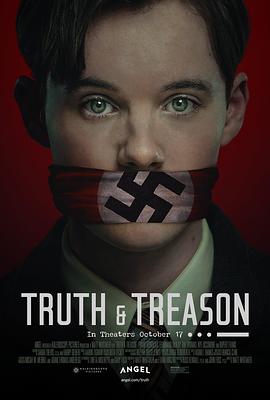
16岁男孩赫尔穆特·胡贝纳 (Helmuth Hübener) 在目睹犹太朋友被纳粹逮捕后,与朋友卡尔和鲁迪组建了抵抗组织。他们的勇敢行为使他们面临纳粹德国最高法院的审判。
HD中字

2025
欧美大片
美国
HD中字

2025
欧美大片
美国
HD中字

2025
欧美大片
美国
HDTC中字

2025
欧美大片
美国
克兰西·布朗 马克·哈米尔 汤姆·肯尼 布莱恩·道尔 比尔·法格巴克 劳伦斯先生 埃丝·史佩斯 罗德格尔·邦帕斯 卡罗琳·劳伦斯 道格拉斯·泰特 卡拉·三子 詹姆斯·亨特 Tammy Davis Arthur Waite 布莱恩·科菲 Leonel Garza Scott Frenzel Melissa Kaye Bontempt 阿拉娜·菲利普
为了证明自己不再是“小不点”,海绵宝宝下定决心,要向蟹老板展现他真正的勇气。 他毅然决然追随那位神秘的、纵横四海的幽灵海盗——“飞天魔鬼”,开启了一段惊心动魄、颠覆想象的深海大冒险!这段旅程将带他
HDTC中字

2025
欧美大片
美国
HD中字

2025
欧美大片
美国
劳伦斯先生 克兰西·布朗 汤姆·肯尼 迪·布拉雷·贝克尔 比尔·法格巴克 罗里·艾伦 玛丽·乔·卡特利特 凯特·希金斯 罗德格尔·邦帕斯 卡罗琳·劳伦斯 吉尔·塔利 Austin Valli Natalie Kailey Toby Larsen 大卫·尼德姆 Sale Taylor 丽莎·林德 Abbi Ella Gonzales Genesis Clarre
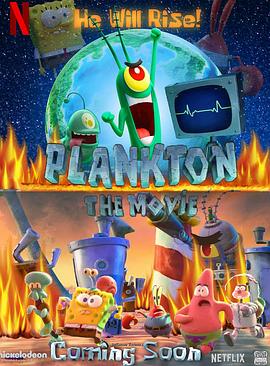
痞老板(劳伦斯先生 . 配音)想要统治世界的计划失败了,他继续打理海之霸餐厅,有防水电脑凯伦作为伙伴和妻子,蟹老板作为永不消停的对家……
HD
2025
欧美大片
美国
TC中字

2025
欧美大片
美国
HD

2025
欧美大片
沙特阿拉伯
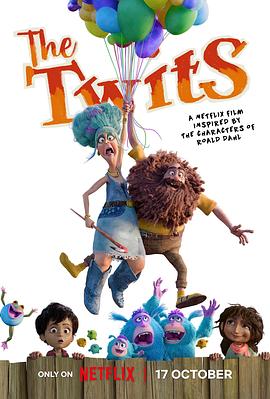
在接受了关于不良行为的可怕教训后,三个不守规矩的六岁孩子开始了一场混乱的追求,寻求最终的“善行”,处处引发混乱。
HD

2025
欧美大片
美国
HD
2025
欧美大片
美国
HD
2025
欧美大片
美国
HD
2025
欧美大片
卢森堡,德国,英国,法国
Felix Auer 格哈德·吉尔卡 瓦尔德马·科布斯 Maresa Sedlmeir Kai Taschner Marion Hartmann Walter von Hauff Mike Carl Martin Valdeig Kathrin Gaube Pascal Breuer Frank Schaff
在一座名为格鲁伯斯鲁宾(Grubbers Nubbin)的小镇上,人们的胆子都很大。因为在小镇附近的一座山上有一个可怕的古堡。古堡里头住着一位疯狂的科学家,他遵循着祖辈留下来的希望要制造出一个最最可怕
HD